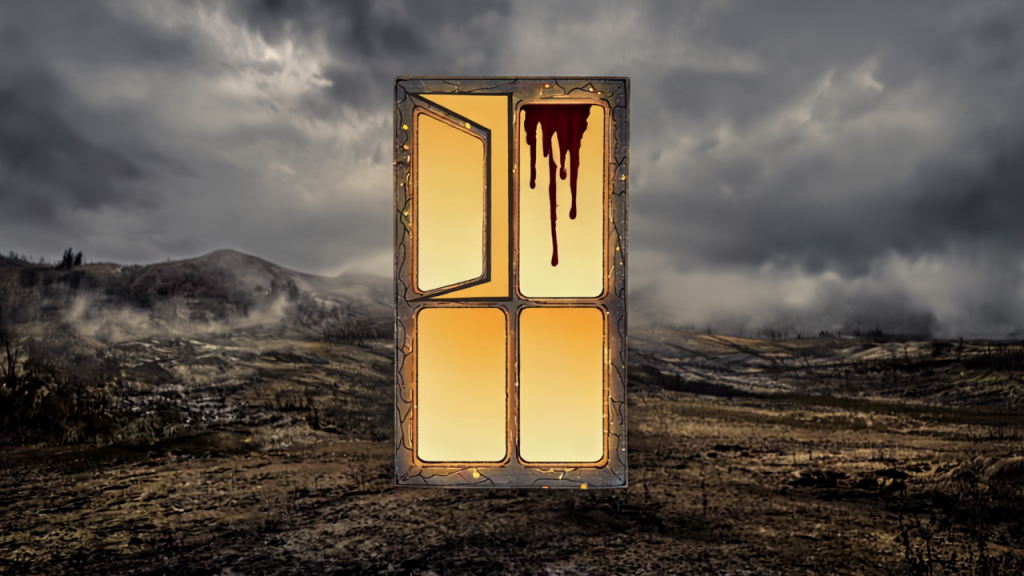
There’s a strange thing that happens when everything starts falling apart, people start laughing. Not everyone, not all the time, but enough that it becomes its own quiet rebellion. Humor slips through the cracks like sunlight through boarded windows. And that’s not denial. That’s survival.
In the bleakest moments of human history, jokes have always been the last line of defense. When the bombs fell, people made jokes about bad aim. When the world shut down, we shared memes about food and toilet paper. When grief felt too big to name, someone cracked a joke and the room exhaled. That laugh, that absurd release, wasn’t about making light of the pain. It was about making space inside it.
When the World Feels Unreal, Humor Is the Only Real Thing Left:
When life becomes a constant stream of sirens, statistics, and fear, what can possibly make sense? Nothing, and that’s the point. Humor thrives in that absurdity. It’s how we admit, without admitting, that we’ve lost control.
In Todling into Oblivion, David L. Wade doesn’t shy away from this chaos. His poetry often flirts with irony, gallows wit, and moments so surreal they border on comical. It’s not slapstick, it’s existential humor. The kind that sees the edge and still cracks a smile. Because if the world’s ending, what’s left to do but laugh at the absurdity of trying to make it neat?
The Trickster Spirit Never Dies:
Every culture has its trickster. They’re the ones who mock power, twist truth and survive through laughter. When things go dark, they remind us that playfulness isn’t weakness, its wisdom wearing a smile.
Wade channels that same energy. His poems dance on the edge of despair and humor, often in the same breath. He writes like someone who knows that if you stare too long into the void, the only sane response is to wink back. It’s saying, “You can’t take everything from me. Not my laughter.”
Laughter as Language of the Living:
Humor, especially in dark times, isn’t about distraction. It’s about proof of life. It says, “We’re still here. We still see the absurd beauty in it all.” In hospitals, during wars, in quarantine apartments and blackout cities, laughter has always been the sound of resilience. Soldiers joked in trenches. Nurses swapped dark humor between shifts. Families found joy in burnt dinners and bad Wi-Fi. Wade’s voice carries that same heartbeat. His words aren’t always comforting but they’re alive. They refuse to let sorrow have the final say.
The Thin Line Between Tears and Laughter:
Sometimes you don’t even know what you’re doing. The body shakes either way. The same emotion that makes you cry can make you laugh in another moment. That overlap is where humanity lives.
Poets, understand that overlap instinctively. They know how to hold two truths at once, that things are unbearable and somehow still funny. That contradiction is what makes art honest. In Wade’s darker pieces, humor doesn’t erase pain, it reframes it. It turns suffering into something you can look at instead of something that swallows you whole.
Why Laughter Still Matters:
The end of the world doesn’t have to mean the end of joy. Humor reminds us that we’re not just victims of circumstance, we’re participants in the strange theater of being alive. Even when everything feels uncertain or lost, laughter proves there’s still a spark of wonder left in us.
That spark is the same one that writes poems, paints arts, and rebuilds cities. It’s what refuses to give in. So yes, laugh at the end of the world. Laugh because it’s the end of the world. That laughter isn’t disrespect, it’s a survival instinct. It’s the soul’s refusal to go quietly. That’s what Wade captures in Todling into Oblivion, a world rolling on the edge, still smiling through the chaos. Because as long as we can laugh, we’re still writing the story.